16.29° 
These lands were located outside the main area of the city, between the current Solis, Estados Unidos and Zubiria streets, and comprised an extension of six blocks wide by sixteen blocks deep; the rest was open field.
Its first settlers were farmers, since there were plenty of small farms and brick ovens in the area. There was also a slaughterhouse that sold meat to the incipient village.
According to the 1885 census, there were already about 300 inhabitants, mostly Genoese and Spanish immigrants, distributed on Mendoza Street and around what would later become the central square. In 1889, a tram line to the West was authorized by the Municipality as part of the urbanization project.
On November 8th, 1891, Nicasio Vila asked the Municipality for formal permission to found a new town, which he called Pueblo Eloy Palacios, in honor of the former owner of the land. That same day a chapel was inaugurated and Vila donated land for the construction of two schools and a public square, thus laying the foundations of the future community. That same year, the Rosario-Peyrano line of the Central Argentine Railway started operation, with a stop at the newly founded Pueblo Eloy Palacios.
Over time, the original name Pueblo Eloy Palacios was replaced by Barrio Vila, in honor of its founder. This is still the name of the local railway station. However, in 1910, on the centenary of the May Revolution, the neighborhood adopted its current name: Barrio Belgrano (Belgrano Neighborhood).
Nowadays, the neighborhood is mostly a residential area, composed of single-family homes and some buildings. In the center of the neighborhood, there are old constructions from the early 20th century, which give it a traditional character. On Mendoza St. between Provincias Unidas Ave. and Solis St., there are educational institutions, churches, an extensive shopping area, clubs, banks, among many other buildings.
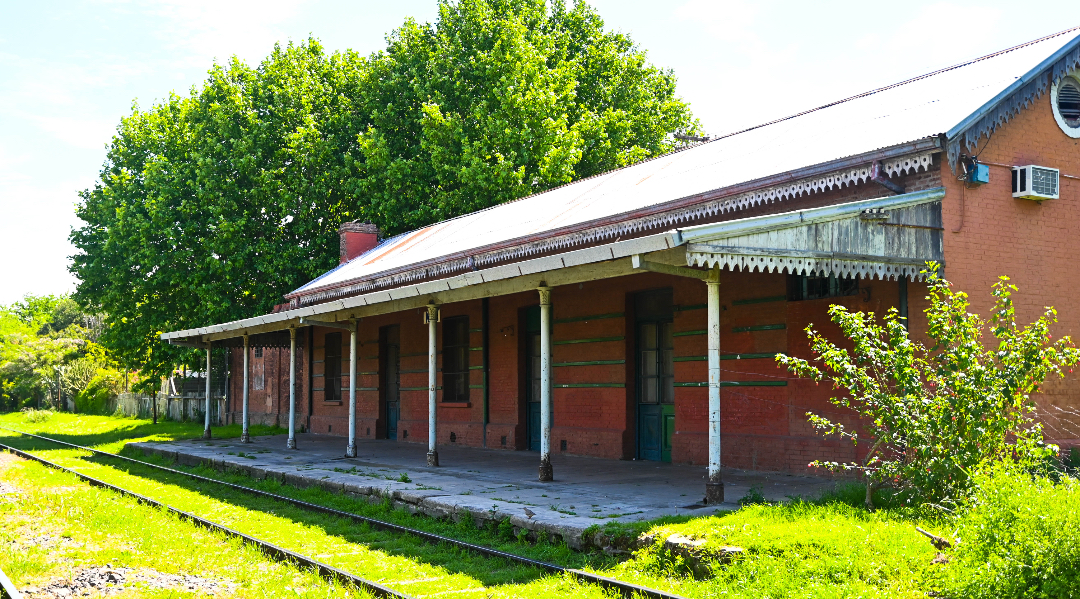
The Central Argentine Railway (later General Mitre Railway) began operation in 1870, and its tracks crossed...
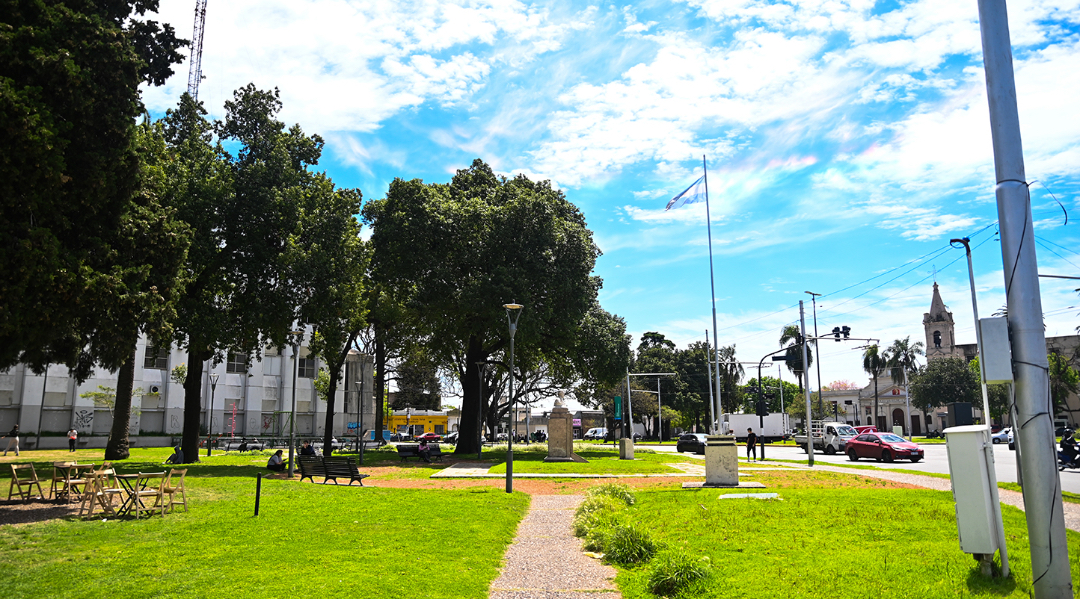
Mitre Park is located at the intersection of Mendoza St. and Provincias Unidas Ave., in the center of the...
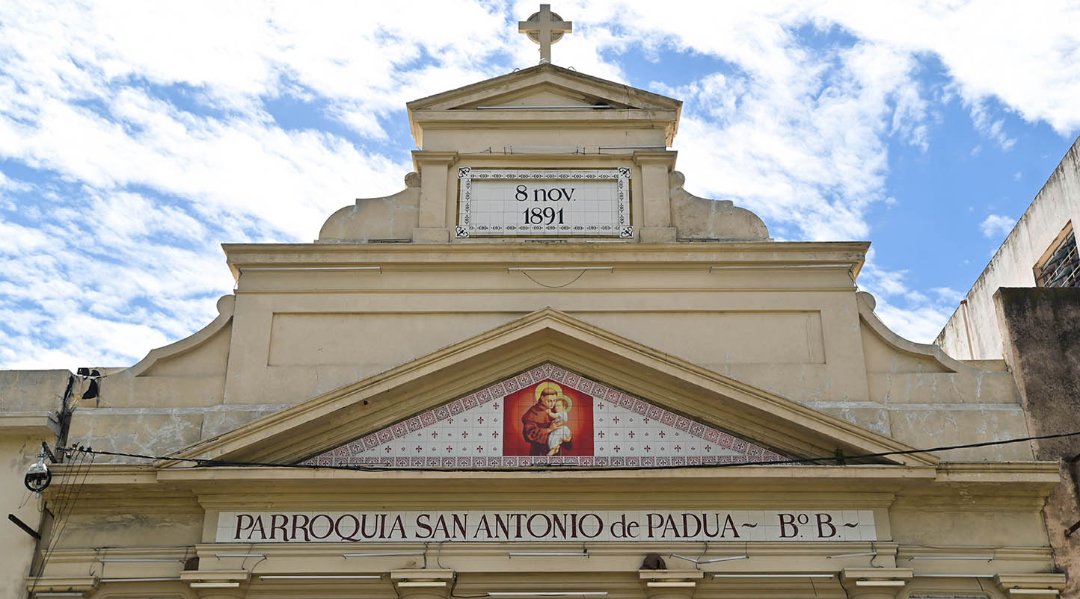
The Church of Saint Anthony of Padua is a prominent institution of Catholic worship, located at the...
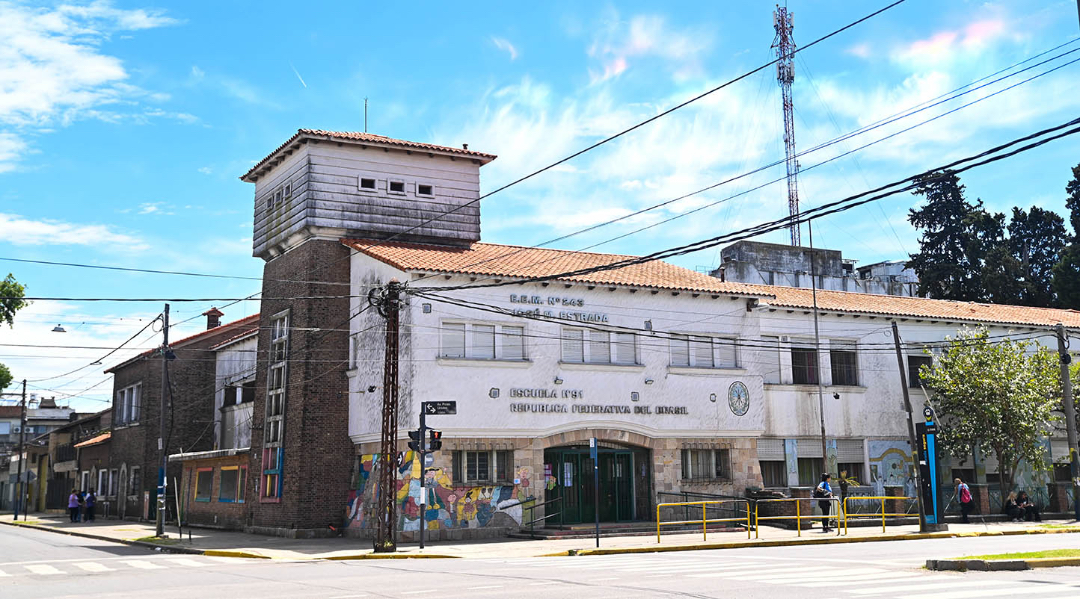
This school was inaugurated on June 13th, 1892, under the name of Municipal School Nº 8 “Eloy Palacios.”
This sports institution was created in 1911 by workers from the Central and Northern Markets under the name...
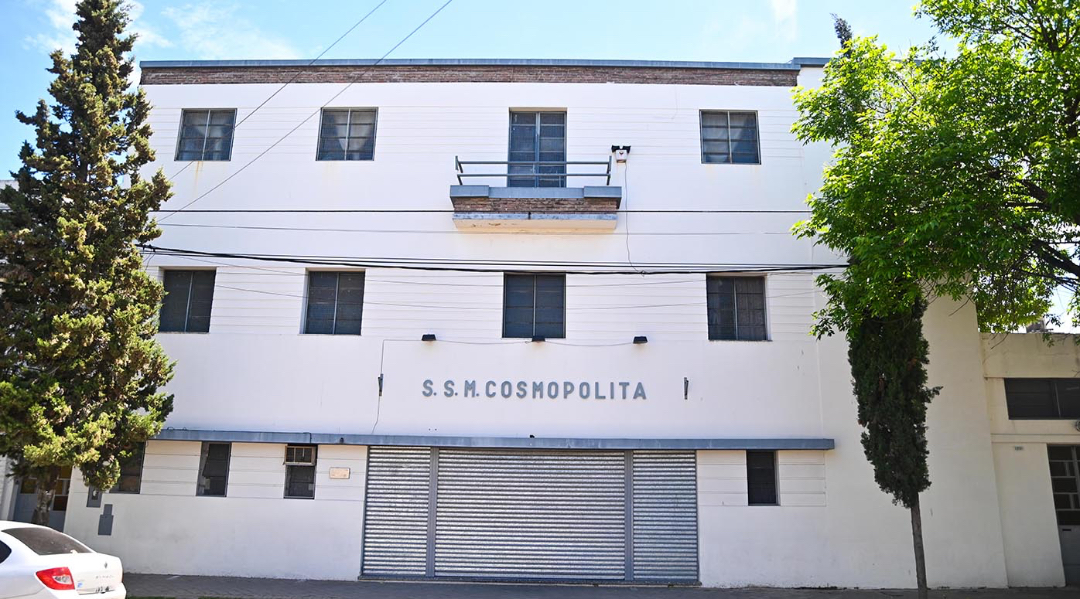
The Sociedad de Socorros Mutuos y Recreativa Cosmopolita was founded in 1905 by Italian immigrants in the...
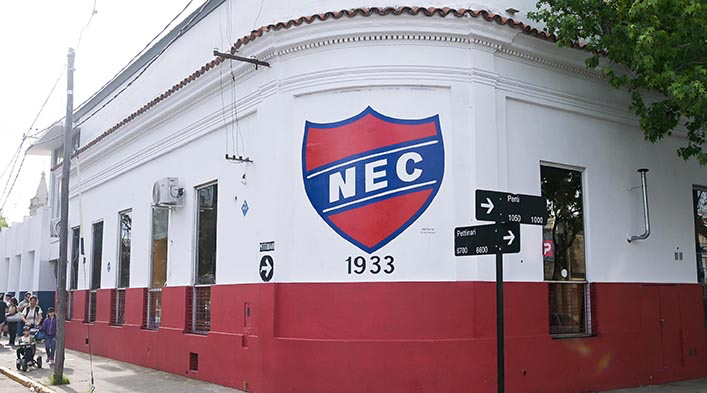
This club arises from the idea and impetus of 12 young people who began to meet at 6400 Mendoza St. They...
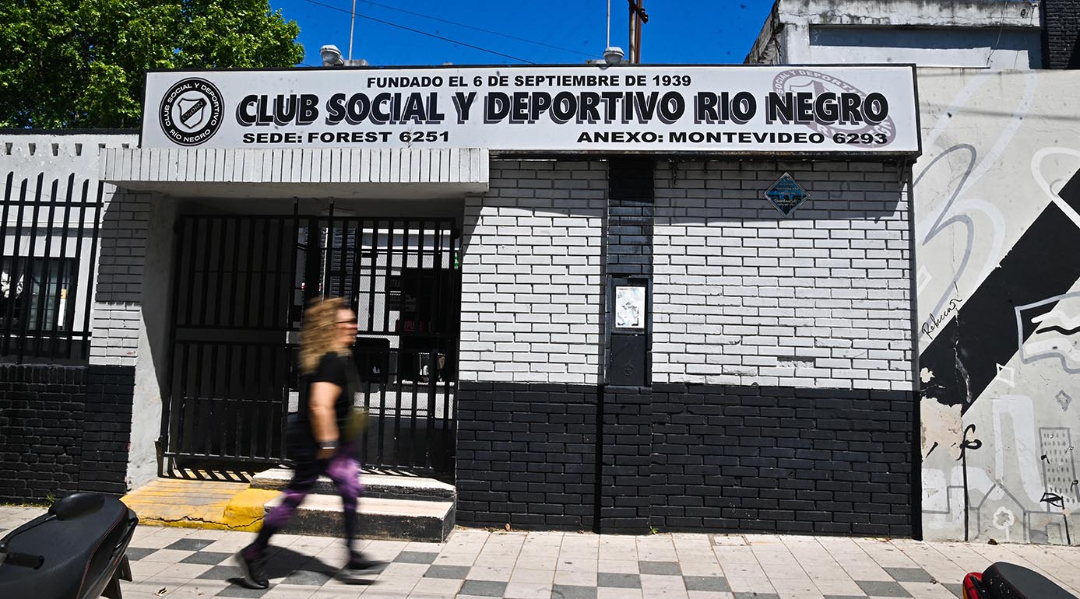
In 1938, a group of young people enthusiastic about soccer created a club to meet and play.
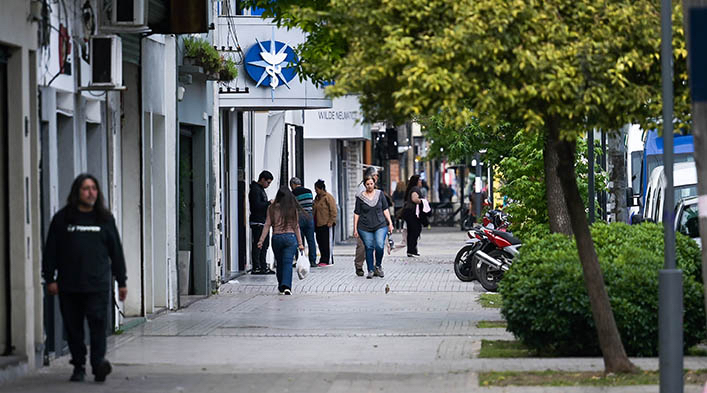
The urban trace of Mendoza St. is the heart of Belgrano Neighborhood.
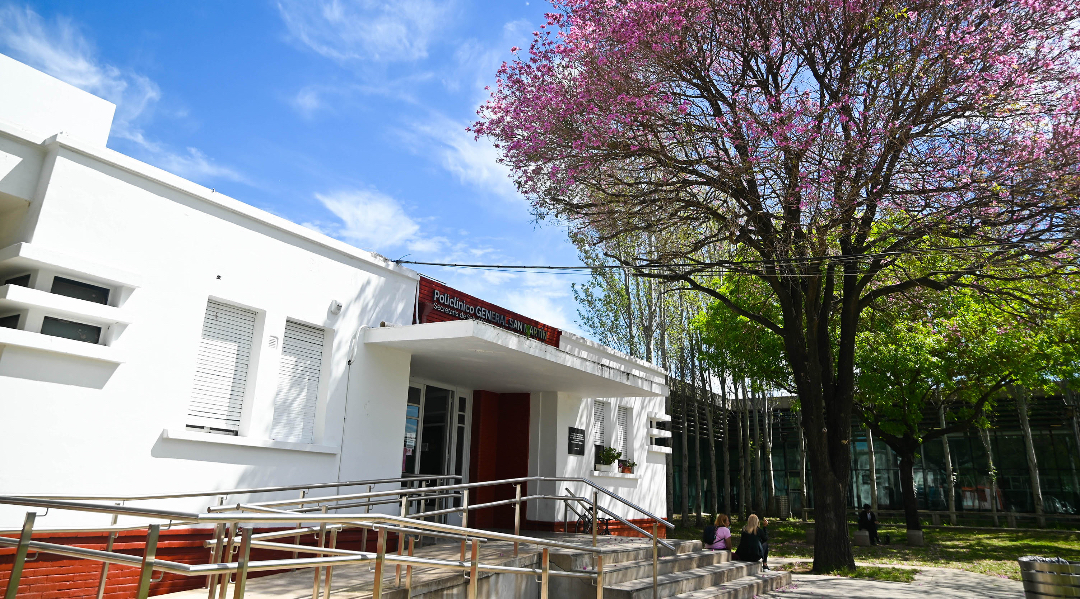
The origin of this polyclinic dates to 1927, when the Alzaga family donated a large plot at the intersection...

MIRÁ MÁS CIRCUITOS EN
Rosario Turismo App DescargarA pioneer of contemporary art, his career had a great international influence.
Read moreA tour around the birthplace and other places that marked Che Guevara's...
Read moreIn few steps, a tour through the buildings that summarize a great part of the...
Read moreIn Rosario, a closer look reveals one of the most fascinating architectural...
Read moreCartoonist and writer from Rosario. He made a cult of friendship, soccer and...
Read more